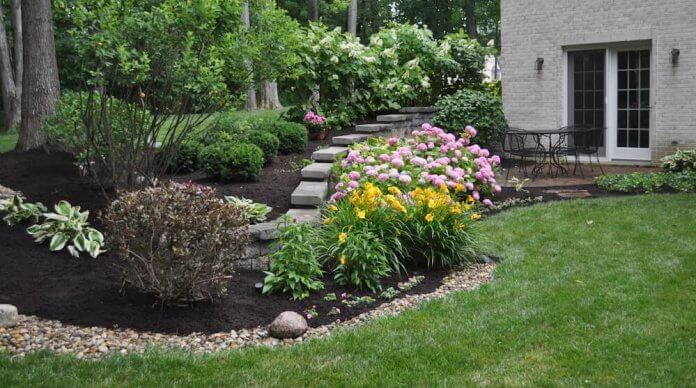

When designing the landscaping for any yard, one significant choice is which material to use for ground cover.
The two basic choices include using Organic Mulch, such as shredded bark, wood chips, and pine straw, or using Rock, Stone, or Gravel for your landscape beds.
Since both choices significantly affect how your yard will look, the amount of work required to maintain each option, and the growth of your plants, use this guide to consider the Pros and Cons of using Mulch or Rock ground cover.
What is Organic Mulch?
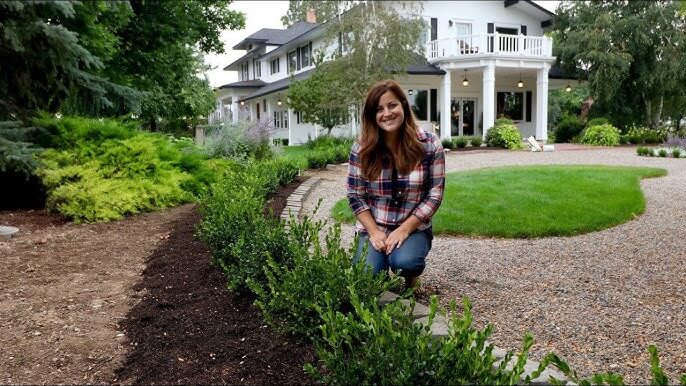
Organic mulch is made from plant-based materials that break down naturally over time. Common types include:
-
Wood chips or bark (shredded hardwood, or pine bark)
-
Straw or pine needles
These materials are spread over the soil to serve as a cover that enriches the ground as it decomposes.
Advantages of Organic Mulch
-
Improves Soil Health
-
As mulch decomposes, it adds nutrients (like nitrogen and phosphorus) to the soil.
-
Encourages earthworms and helpful microbes.
-
-
Helps Retain Water
-
Keeps soil moist and reduces the frequency of watering.
-
-
Regulates Temperature
-
Cools the soil in summer and keeps it slightly warmer in spring.
-
-
Slows Weed Growth
-
A thick 2–4 inch layer will slow or block weed seeds from sprouting due to a lack of sunlight.
-
-
Looks Soft and Natural
-
Blends easily with plants and garden beds.
-
Where It Works Best
Organic mulch is excellent for:
-
Flower beds – help young plants grow strong
-
Vegetable gardens improve soil fertility
-
Around shrubs and trees – protects roots and reduces erosion
It’s not ideal for areas with heavy foot traffic (such as paths) or where playgrounds are being installed, due to the breakdown of organic material.
Disadvantages of Organic Mulch
-
Needs Regular Replacement
-
Breaks down every 6–18 months and requires topping up.
-
-
Can Shift or Wash Away
-
Intense rain or wind may cause it to move around.
-
-
May Attract Bugs
-
Certain pests (like termites or ants) can hide under mulch if it’s too close to buildings.
-
-
Color Fades Over Time
-
Especially dyed mulch, which can fade quickly in the sun.
-
What is Rock Ground Cover?
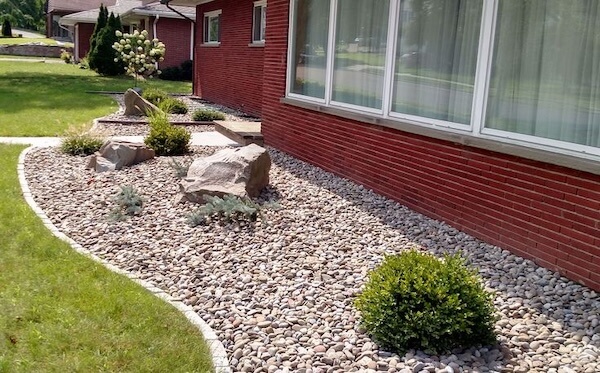
Rock ground cover utilizes stones such as river rock, crushed granite, pea gravel, lava rock, or decomposed granite.
Unlike mulch, rock doesn’t decay, so it is typically installed once, with occasional refreshes in specific areas over time.
Advantages of Rock
-
Lasts a Long Time
-
Doesn’t need replacing—no yearly topping required.
-
-
Great for Drainage
-
Perfect for slopes or areas where water drains through fast.
-
-
Low Maintenance
-
Won’t wash away or rot; only occasional weeding is needed.
-
-
Modern Appearance
-
Offers crisp lines and a structured design, available in a variety of colors.
-
Where It Works Best
Rock is often used in:
-
Walkways and patios – provide sturdy, long-lasting surfaces
-
Around foundations – helps control water flow
-
Dry-styled gardens, such as xeriscapes or rock gardens
-
Slopes or runoff spots – prevent soil erosion and hold shape
Disadvantages of Rock Ground Cover
-
High Initial Cost
-
More expensive at first than mulch.
-
-
No Soil Improvement
-
Doesn’t add nutrients and can reflect heat, making the soil warmer.
-
-
Heat and Glare
-
Rocks can become hot in the sun, which can harm nearby plants.
-
-
Weeds Still Grow
-
Weeds can poke through fabric or grow on top if the soil settles.
-
Pros and Cons: DIY Installation Mulch vs. Rock
The average cost of organic mulch per cubic yard in the USA typically ranges from $50 to $100 per cubic yard, while landscaping rock or stone can range between $60 and $130 per cubic yard.
Organic mulch is often more budget-friendly initially, but it will require annual topping or replacement, which can potentially increase long-term costs.
Landscaping rocks, while more expensive and more labor-intensive upfront, offer a more permanent solution.
Whether you install yourself or hire help, the material choice makes a big difference. Here’s a detailed look at DIY options:
DIY Organic Mulch Installation
Pros
-
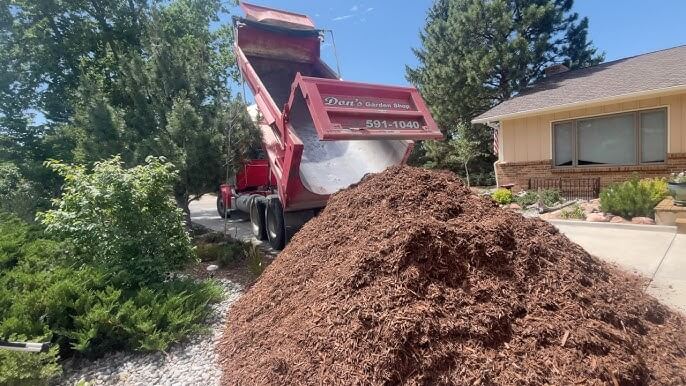
Simple to install—just spread from bags (Home Depot, Lowe’s, etc.) or hire a truck for delivery of cubic yard mulch.
-
Inexpensive to Use: Average price $85/Cubic Yard (lawnlove.com)
-
Helps the soil immediately
Cons
-
Needs to be refreshed every year (doubling the labor and duplicating the cost annually)
-
Must watch for washouts, and or bugs
Cost Estimates
-
Material: $2 – $5 per cubic foot
- DIY labor: Free
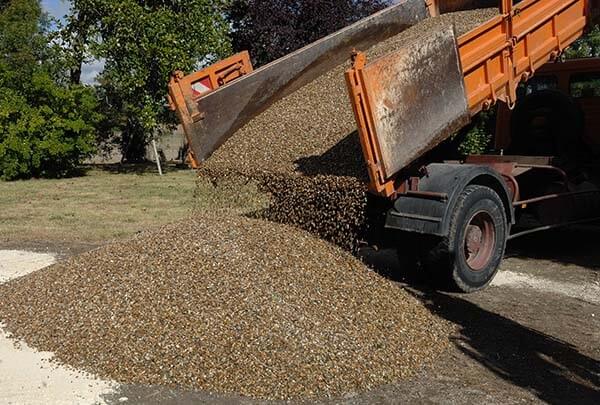
DIY Rock Installation
Pros
-
Very low upkeep after installation
-
Excellent for drainage and stable covers
Cons
-
Heavier and more difficult to move
-
Doesn’t nourish the soil and will increase the heat on plantings
Cost Estimates
-
Material Only: Use This Old House’s estimator guide to determine your cost. The average is $50–$140 per cubic yard
-
DIY total (with delivery fee and installation): $85–$310/yd³ HomeGuide
- Cost varies considerably based on the Type of Stone Selected:
For example, pea gravel is = $20–$70 Cubic Yard, river rock is $50–$160 Cubic Yard, for material only (labor not included)
Frequently Asked Questions (FAQs)
-
How thick should the mulch or rock be installed?
-
Mulch: 2–4 inches—thinner won’t suppress weeds; thicker can stop water.
-
Rock: 2–3 inches; pea gravel may need 3+ inches for stability.
-
-
Will mulch attract insects like termites?
Mulch can be an invitation for unwanted insects if it comes into contact with the house. Keep organic mulch at least 2–3 inches away from foundations to avoid this issue. -
Does rock get hot for plants?
Yes—rocks store and reflect heat, which can dry out soil and stress plants. Avoid placing rock ground cover near delicate flowers or bushes. -
Can I switch from mulch to rock later?
Yes, but prepare for extra work: remove old mulch, install weed fabric, add edging, and spread rock or stone ground cover. -
Which option is better for saving money?
-
Short-term: Mulch is far less expensive to install, but it needs to be replaced annually.
-
Long-term: Rock or Stone can last forever, but the initial cost is far greater than organic mulch.
-
Conclusion
Choosing between Organic mulch and Rock ground cover depends on what you want for your yard:
-
Organic mulch is beneficial for plant health, as it provides essential nutrients and helps maintain a calm and moist soil environment. However, it requires yearly replenishment and can attract pests.
-
Rock ground cover offers long-lasting, low-maintenance coverage and has a clean, modern look, but it comes at a higher upfront cost, doesn’t improve soil health, and can become excessively hot.
Some discerning homeowners will use both: mulch in flower beds and gardens, and rock ground cover along pathways, slopes, and up against foundations.
That way, plants get the care they need, and the hard-to-reach or high-traffic areas stay neat and low-maintenance.
In the end, if you consider what matters most to you — plant growth, cost, upkeep, or design — you can choose the ground cover that works best for your budget and your yard.
Additional Landscaping Advice: