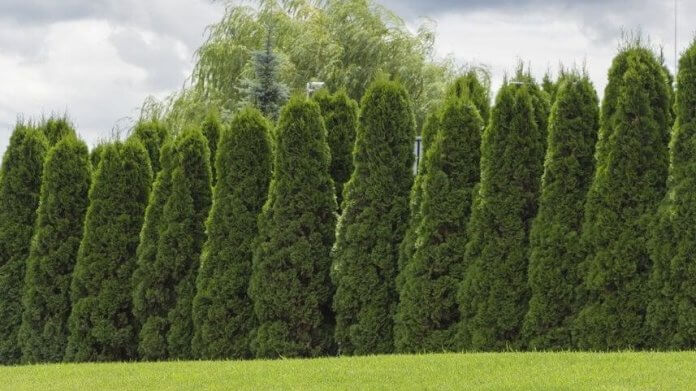

One of the Quickest and best ways to make a property feel more secluded and private is to install a fast-growing Privacy Hedge.
Today, we show you the Ten Fastest-Growing Evergreen Shrubs for Privacy and the best privacy bushes to install based on your specific “region.”
The challenge for many homeowners is they believe even the fastest-growing shrubs can take many years to grow high and dense enough as a hedge to provide a real sense of privacy.
Many people with backyard privacy concerns ask, “What are the fastest-growing privacy shrubs.”
The truth is that many evergreen privacy hedges can give you backyard privacy almost immediately – and in our opinion – these are the 10 Fastest-Growing Shrubs for Privacy.
Today, we’ll only be looking at Evergreen Bushes and Shrubs—because they stay “Green” and provide privacy all year round.
We have also categorized each of our favorite fast-growing bushes by their U.S. plant hardiness zone.
The plant hardiness zone calculator quickly identifies the most suitable area within the United States for growing that particular plant.
To find the hardiness zone where you live, visit the USDA Plant Hardiness Zone map page.
Once you know the plant hardiness zone for your home, read further to discover the 10 “Fastest Growing Evergreen Shrubs for Privacy” – and find the recommended Plant Hardiness Zone for each Privacy Shrub listed:
The 10 Fastest-Growing Shrubs For Privacy:
- Arborvitae “Green Giant”
- Wichita Blue Juniper
- Skip Laurel
- Viburnum Tinus
- Pyracantha
- Leyland Cypress
- Wax Myrtle
- Italian Cypress
- English Holly
- Euonymous
Maintenance Note: As you review this list of the fastest-growing bushes for privacy, consider each plant’s maintenance requirements.
For instance, most privacy hedges require regular trimming; however, some, such as Blue Juniper, Viburnum, and Cypress, rarely need trimming.
Arborvitae “Green Giant” Hedge

If you’re asking, “What are the fastest growing bushes for privacy?”, few options are better than the arborvitae. With an ability to grow three to five feet or more each year, all while producing dense foliage.
The Arborvitae is considered one of the most durable and affordable plants for privacy.
This bush can produce excellent results in a short time. If you don’t already have a wood privacy fence, these evergreen shrubs will reach a standard height of 6 ft. in about two years, but can grow to over 10 feet with the right conditions.
This arborvitae variety is the obvious choice for many people looking for privacy.
Arborvitae Hedge: USDA Plant Hardiness Zones 3, 4, 5, 6, & 7
Wichita Blue Juniper Hedge
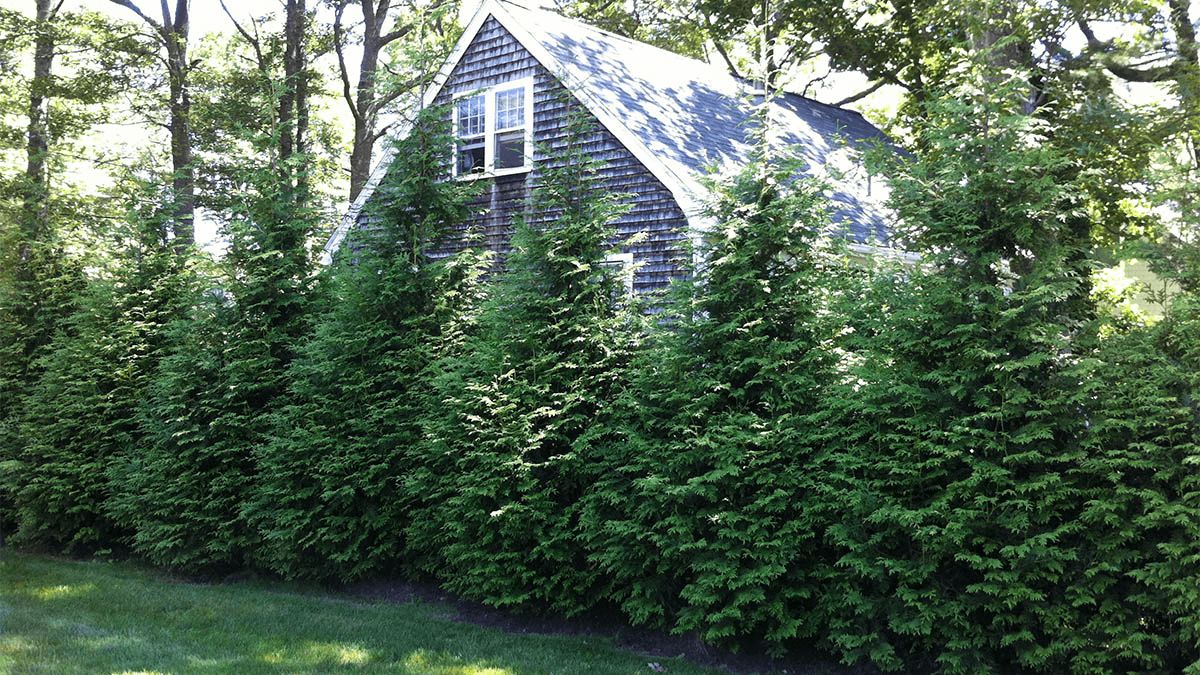
A dense, attractive bush, Wichita blue juniper grows about 1 foot per year for the first several years of its life, then settles into a slower growth pattern with age.
As a result, the bushes get large enough to provide adequate privacy fairly quickly without becoming unmanageable.
This juniper variety is one of the best large bushes for privacy.
Wichita Blue Juniper Hedge: USDA Plant Hardiness Zones 3, 4, 5, 6, & 7
Cypress Hedge
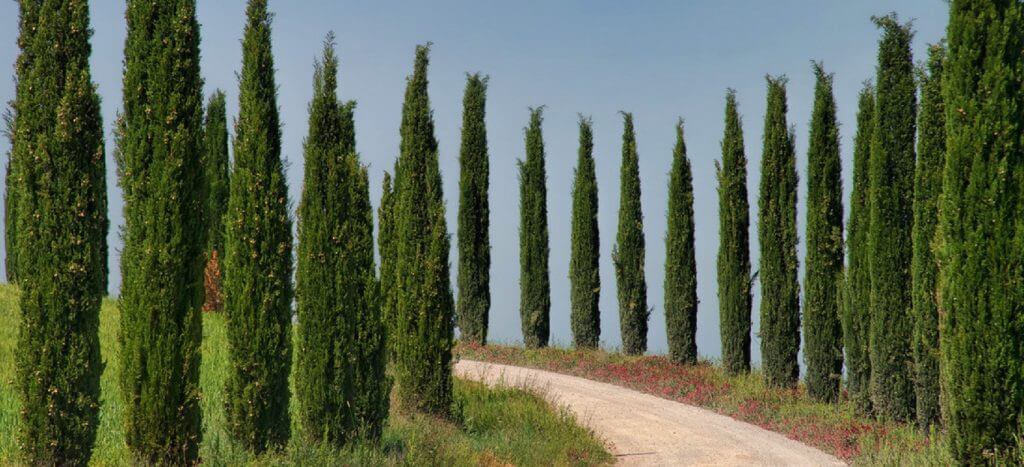
While technically a tree rather than a shrub, the Italian cypress deserves a spot on this list of the best privacy plants – because of its spectacular appearance and fast growth rate.
The Italian Cypress tree can grow up to 2 feet per year while maintaining a narrow, neat appearance.
Be careful what you wish for; Italian Cypress can grow to 40-60 feet – perfect if you want total privacy from tall buildings or neighbors!
Plan accordingly – These privacy trees are beautiful (and narrow), so research the spacing requirements for privacy and understand the maximum overall height before selecting this beautiful privacy hedge tree.
Alternatively, you can clip the top of your cypress trees once they reach your desired height. However, the tops will appear flat and less natural.
Italian Cypress: USDA Plant Hardiness Zone = 7, 8, 9 & 10
English Holly Hedge
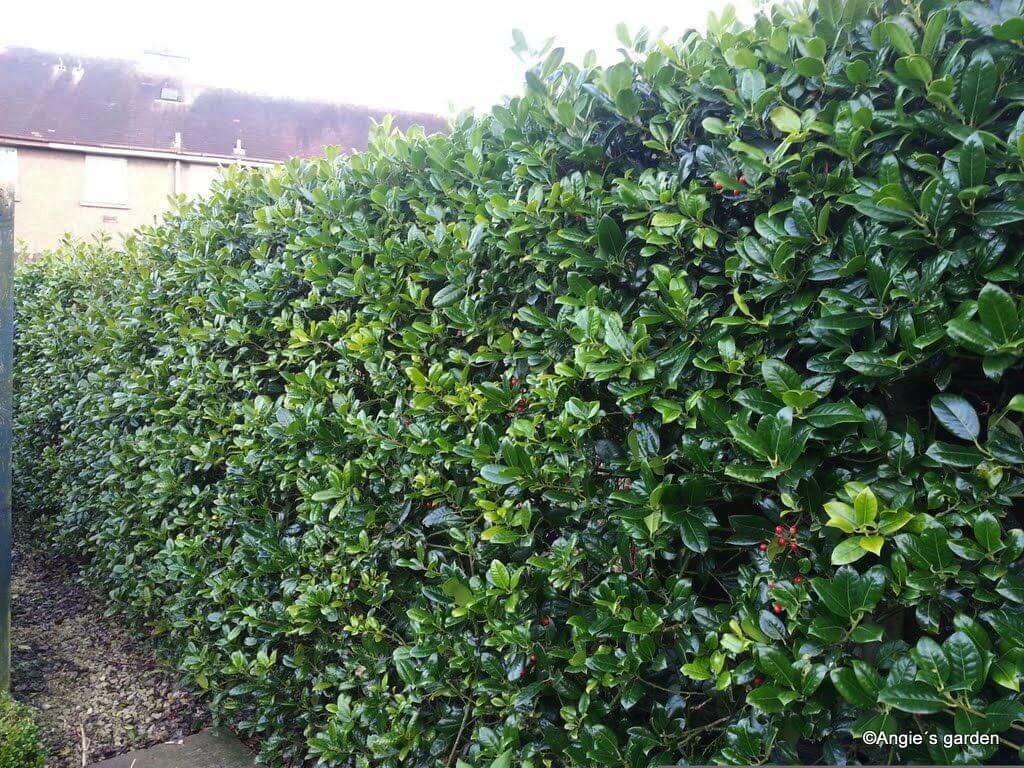
Another of the best shrubs for privacy fencing is English holly. This beautiful plant can grow quickly under the right conditions. English holly is around 15 feet tall, but you can cut it shorter if desired.
The English Holly plant has a somewhat limited range in North America.
English Holly Hedge: USDA Plant Hardiness Zones – 7, 8, & 9 (Usually ok in zone 6b)
Euonymus Hedge
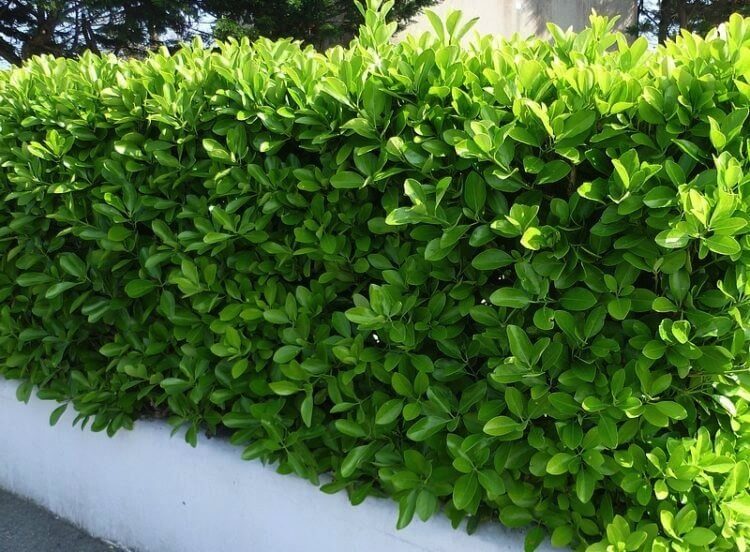
With broad leaves and attractive color patterns, Euonymus is a great outdoor addition and is one of the best large bushes for privacy.
Depending on the specific variety, Euonymus leaves can range from light green with hints of yellow to dark green, so select the variety with the color you hope to achieve.
The unique color variations in Euonymus Hedges will allow you some latitude when matching these shrubs to the other plants in your yard.
Euonymus Hedge: USDA Plant Hardiness Zones 5, 6, 7, & 8
Skip Laurel Hedge
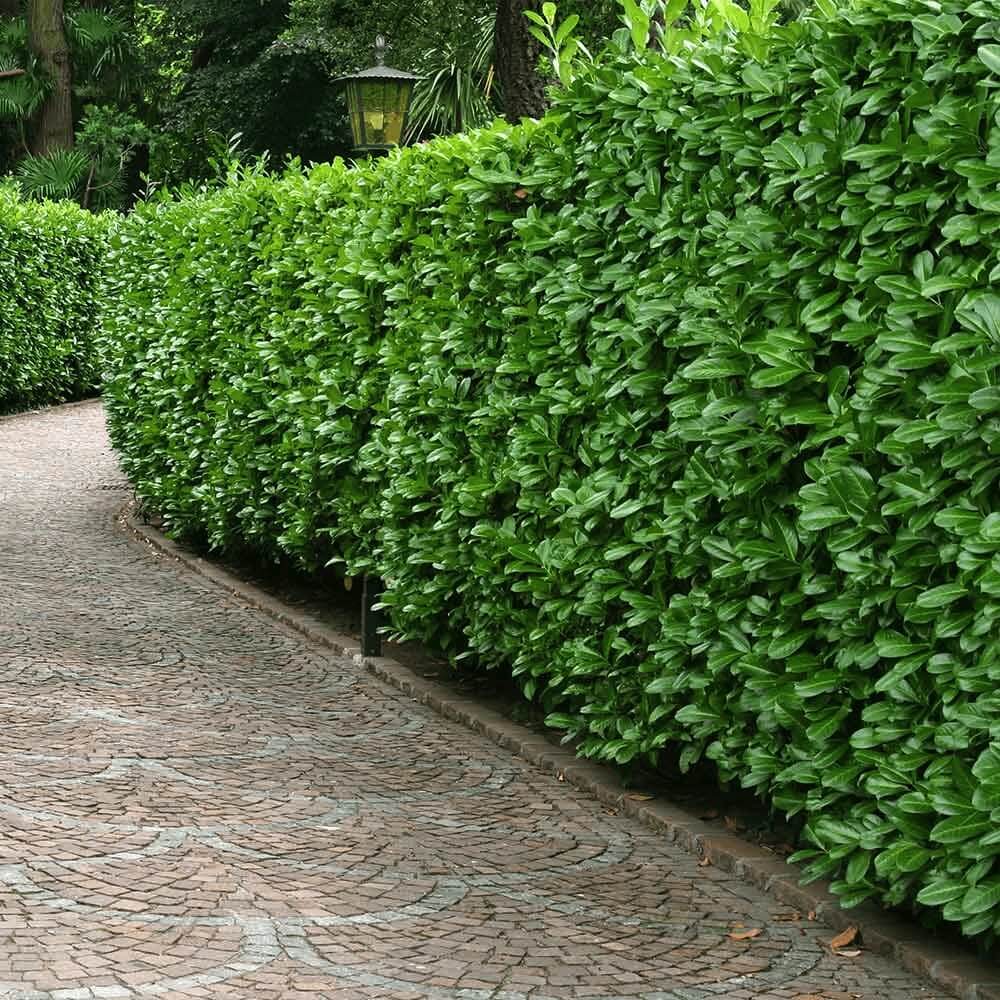
One of the best plants for privacy from neighbors is the Skip Laurel, a lush, evergreen bush that can grow up to 2 feet per year.
Skip laurel can grow to more than 15 feet tall for maximum privacy, but can also be clipped at any size you prefer.
Skip Laurel Hedge: USDA Plant Hardiness Zone 6, 7, 8, & 9
Viburnum Hedge
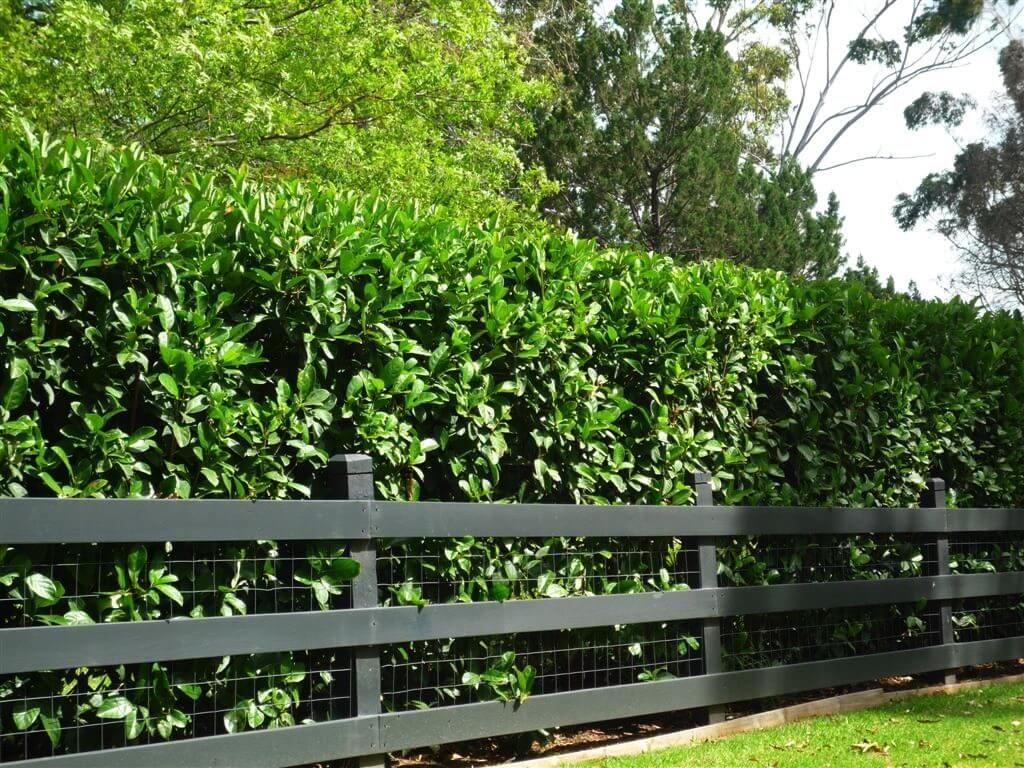
A perennial favorite among fast-growing privacy shrubs is the Viburnum tinus, also known as the snowball bush for its spectacular white flowers.
Viburnum Tinus bushes grow between one and two feet each year until they reach a mature size of 6-12ft.
This reasonable but practical height makes them perfect for quickly establishing a manageable privacy screen in your yard.
The one downside of viburnum in America is that it doesn’t have a wide range of growing conditions in the U.S.
Viburnum Hedge: USDA Plant Hardiness Zone 8, 9, & 10
Pyracantha Hedge
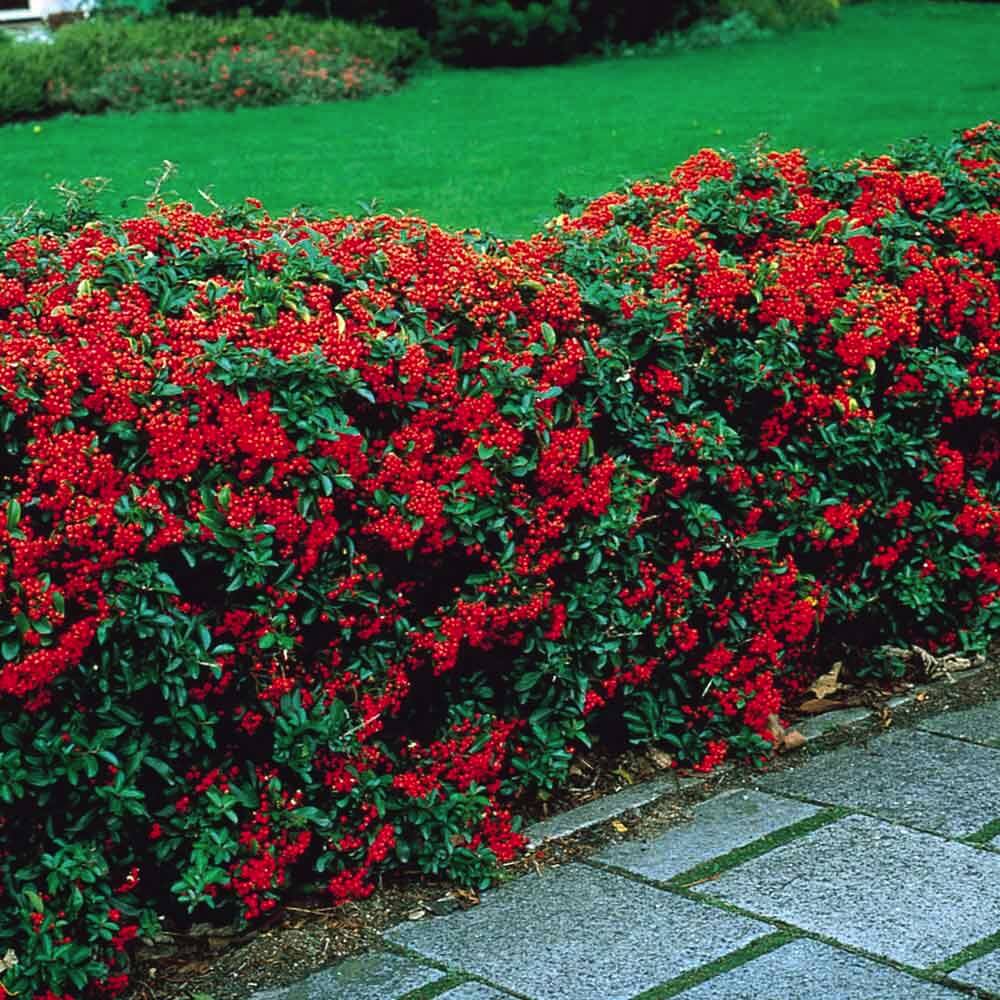
A personal favorite of mine, I maintain our home in Arizona with Pyracantha Bushes, which we love. They can grow up to 2 feet per year and produce spectacularly colorful fall berries.
Pyracantha is a rare, fast-growing, and beautiful privacy hedge plant that can be used wherever climates allow for sustained growth.
Use caution when trimming Pyracantha. This quite thorny bush can cause deep scratches if you are not wearing protective gloves or clothing.
Pyracantha berries are beautiful, but some claim they are poisonous to humans and animals. This is not a proven fact. However, consuming a large dose can cause mild stomach upset.
Pyracantha Hedge: USDA Plant Hardiness Zone 6, 7, & 8
Leyland Cypress
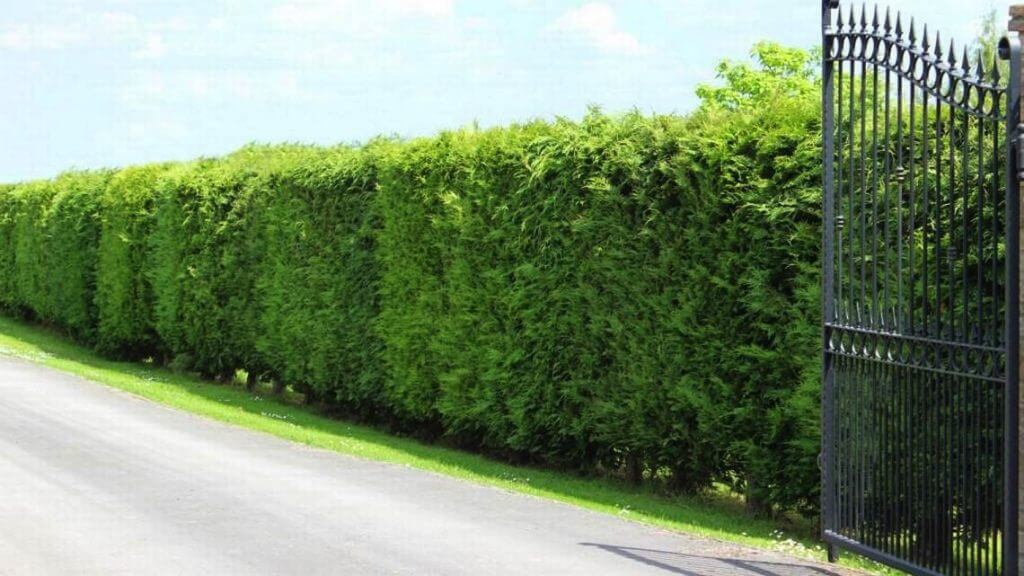
The Leyland cypress is an impressively fast-growing tree that can add up to 4 feet to its height each year. Although it is a full-size tree, it can be trimmed when it reaches the desired size.
This cypress variety is difficult to beat if you’re looking for a tall privacy hedge in just a few years.
Leland Cypress Hedge: USDA Plant Hardiness Zone 6, 7, 8, 9 & 10
Wax Myrtle
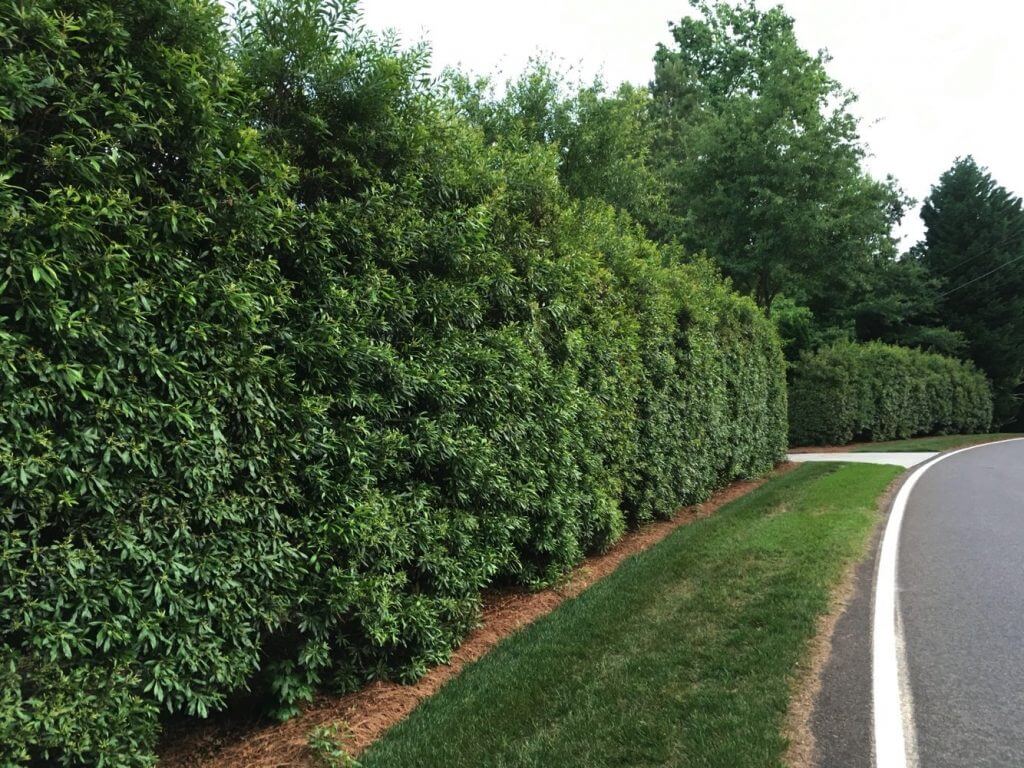
Wax Myrtle is one of the best tall shrubs for privacy, growing up to 12 feet high when mature.
This plant can also grow relatively quickly and offers dense foliage to keep neighbors and passersby from looking into your yard.
Wax Myrtle Hedge: USDA Plant Hardiness Zones 7b, 8, 9, 10, & 11
How to Plant a Privacy Hedge
Now that we’ve highlighted the fastest-growing evergreen shrubs for privacy, let’s discuss how to plant a privacy hedge.
As I posted on Reddit, remember to pick the right “timing” for planting to give yourself the best chance of success.
Step 1 – Measure
Measure the total length of the Privacy hedge you plan to install and pound stakes at each end. Tie a string to each stake, then equally space the plants between those stakes, with an equal distance between each plant.
Step 2 – Dig The Hole
Using a good Long-Handled Shovel, dig a hole at least 18″ deep x 24″ – 28″ wide, depending on your plant container size.
Step 3 – Add Compost To the Soil
Most soils lack proper nutrition and the ability to retain moisture. Add compost inside the hole to help roots spread and grow.
Step 4 – Install Privacy Plants
Place each plant with the ball just above (1-2″) ground level. Cover with a mixture of fresh topsoil and the original native dirt, and gently tamp down to keep the plant in place without unnecessarily compacting the roots.
Step 5 – Water the Plants
After your plants are all in the ground, adequately saturate them with water, being careful not to wash away any soil. Set up a drip line or another irrigation system to keep the roots moist for the next 7-10 days.
Step 5 – Spread Mulch
Cover the top of your new privacy “row” with mulch to help retain moisture, and dress up your new privacy hedge. Mulch also provides a natural barrier between the privacy bed and the lawn.
Step 6 – Fertilize The Plants
Carefully spread a slow-release fertilizer around the ball of each privacy plant, but not on it. This will ensure a steady delivery of nutrients to the plant’s roots.
We recommend an excellent slow-release fertilizer for bushes & shrubs, such as Miracle-Gro Shake & Feed, available on Amazon.
Frequently Asked Questions (FAQ)
How Far Apart Should I Plant Hedges?
Plant tall, narrow shrubs such as arborvitae 2-3 feet apart. This will prevent gaps in your privacy screen.
You can install privacy bushes even closer with our third choice—the Italian Cypress, a narrow tree that should ideally be planted 2 feet apart.
Bushier plants such as laurel or wax myrtle will spread outward to fill gaps as they grow taller, allowing you to get away with wider plant spacings. Check the grower’s estimate of plant width to determine how wide they will grow.
Remember not to plant bushes too close; you may need to replace them as they mature.
In almost all cases, the recommended spacing for privacy hedges is 2 to 3 feet apart. However, if you are less patient and want quicker privacy, spacing 2 feet apart is recommended.
How Often Should You Trim Privacy Hedges?
Most “leafy” privacy hedges should be trimmed once a year for height and at least once or twice annually for width. Trimming leafy hedges for width or “on the faces” will promote much denser growth.
Narrow, tall-growing hedges, such as arborvitae and cypress, rarely require trimming except for removing a dead branch or two due to winter damage.
Use a good, sharp hedge trimmer and trim the “face” of the hedges on both sides. This will promote active growth and density the plant requires, giving you a thicker, more private hedge.
How Much Does a Privacy Hedge Cost To Plant?
Cost varies by region and the type of hedge you select. If your budget allows, buy and plant larger evergreen shrubs that have already reached 50% or full maturity in a nursery.
This approach will give you instant privacy.
However, if buying mature plants is too expensive, buy plants that are at least 3 or 4 feet tall. This will give you an excellent jump start on your privacy hedge.
Here’s a fun “How-To” video on how to plant a Privacy Hedge:
Conclusion
Follow these vital steps to establish the best privacy hedge possible and prevent having to fill in the gaps later – as you wait for new shrubs to grow.
By selecting the right privacy plant for your climate, these fantastic privacy bushes or shrubs, planted correctly, will grow fast and help you quickly establish a beautiful privacy hedge for your home.
Remember that after selecting one of these recommended best plants for privacy, you must maintain it properly. Keep new plants lightly watered daily for the first two weeks of growth. Trimming both faces will promote thick, dense foliage.
Be sure to use a suitable leaf blower to keep the bases of new plants free of debris and cut foliage.
If you don’t care for your plants as they grow, they can become stunted and fail to reach their full potential.
Before you buy evergreen privacy plants, check with your local nursery to learn the best practices for growing them.
Thanks for Visiting Best Home Gear. Learn more about us, and don’t miss our other DIY Informational Guides!
References & Further Reading
- Balcony Privacy Hedge Ideas – Balconygardenweb.com
- Top 10 Best Gas Fire Pit Tables – Besthomegear.com
- Selecting & Planting Best Hedges – IowaStateUniversity.edu
- 4 More Tips for Growing Hedges – Nola.Com
- Top 5 Best Leaf Blowers – Cordless and Electric – Besthomegear.com
- The Best Gas-Powered Weed Eater You Can Buy – Besthomegear.com