

Establishing a lush, green lawn is a rewarding accomplishment that enhances your home’s curb appeal and provides a beautiful outdoor space.
Understanding How Long Grass Takes to Fully Grow largely depends on the grass seed used and the germination methods used. This is crucial for setting realistic expectations and ensuring successful lawn establishment.
This guide dives into the factors influencing grass seed growth, typical germination periods, best practices for faster and healthier growth, seasonal considerations, common mistakes, and additional tips for maintaining a thriving lawn.
Growing grass effectively requires Planting grass seed at the correct depth, Good Sunlight, Sufficient watering, planting at the right outside temperature, Using well-aerated soil, and planting grass seed with a starter fertilizer.
Factors Influencing Grass Seed Germination and Growth
Several variables affect how quickly grass seed germinates and matures. By recognizing and optimizing these factors, you can foster a thriving lawn.
1) Grass Species and Their Growth Rates
Different grass species have varying germination rates and growth habits. Selecting a species suited to your climate and intended lawn use is essential.
- Cool-Season Grasses: These grasses thrive in cooler climates and germinate within 5 to 10 days under optimal conditions. Examples include:
- Kentucky Bluegrass: 14-30 days germination period; slow to establish, but forms a dense lawn.
- Perennial Ryegrass: 5-10 days germination; fast-growing and ideal for quick coverage.
- Tall Fescue: 7-12 days germination; drought-resistant and durable.
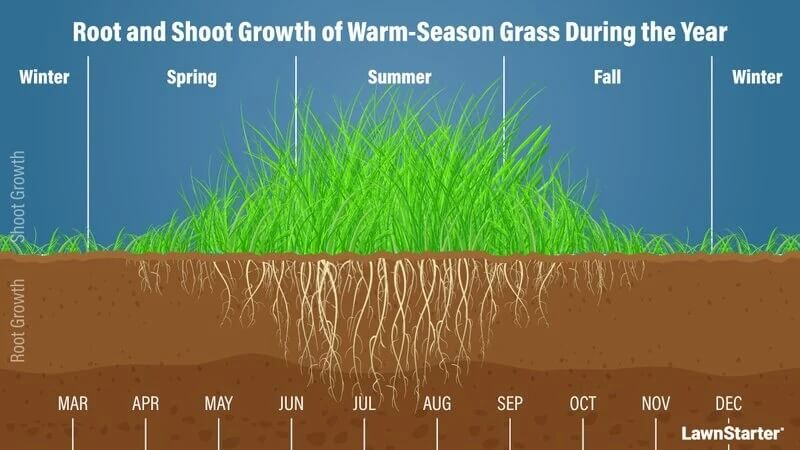
- Warm-Season Grasses: These grasses flourish in warmer regions and may take longer to germinate, typically ranging from 10 to 30 days. Examples include:
- Bermuda Grass: 10-30 days germination; thrives in hot climates and grows aggressively.
- Zoysia Grass: 14-21 days germination; slow-growing but creates a thick carpet-like lawn.
- Centipede Grass: 14-21 days germination; low maintenance and suited for acidic soils.
2). Environmental Conditions

Temperature, moisture, and sunlight significantly impact seed germination and growth.
- Soil Temperature: Most grass seeds require soil temperatures between 50°F and 65°F for optimal germination. Cool-season grasses prefer the lower end of this range, while warm-season grasses favor the higher end.
- Moisture: Consistent soil moisture is vital. Overly dry conditions can hinder germination, while excessive moisture may lead to rot.
- Sunlight: Adequate sunlight accelerates photosynthesis, promoting robust growth. Ensure your lawn receives the appropriate light for your chosen grass species.
3) Soil Quality
Healthy Soil provides the foundation for vigorous grass growth.
- pH Levels: Most grasses flourish in Soil with a pH between 6.0 and 7.5. Testing your Soil and amending it as necessary can create an optimal environment for growth.
- Nutrient Content: Essential nutrients like nitrogen, phosphorus, and potassium support various growth stages. Incorporating a balanced fertilizer can replenish nutrient-deficient soils.
- Soil Structure: Well-aerated, loamy Soil facilitates root penetration and water retention. Compacted or heavy clay soils may require aeration or the addition of organic matter to improve texture.
Typical Timeline for Grass Seed Germination and Growth
Understanding the general timeline for grass seed development helps plan and manage lawn care.
Germination Phase (5-30 Days)
The germination period varies by species and environmental conditions. During this phase, maintaining consistent soil moisture and optimal temperatures is crucial.
Seedling Phase (Weeks 1-6)
Once germinated, seedlings emerge and begin establishing roots.
- Weeks 1-3: Seedlings focus on root development. It’s essential to keep the Soil moist but not waterlogged.
- Weeks 4-6: Visible growth accelerates, and grass blades become more robust. At this stage, a gradual reduction in watering frequency encourages deeper root systems.
Maturation Phase (2-6 Months)
- Months 2-3: The lawn fills in densely, and regular maintenance practices like mowing can commence.
- Months 4-6: The grass fully matures, exhibiting resilience to foot traffic and environmental stressors.
Best Ways to Promote Healthy Grass Growth
Soil Preparation
Proper soil preparation sets the stage for successful germination.
- Testing and Amending: Conduct a soil test to determine pH and nutrient levels. Based on the test results, amend the soil to create an optimal growing environment.
- Clearing Debris: Remove rocks, weeds, and old grass to reduce competition for resources.
- Loosening Soil: Till or aerate the Soil to improve drainage and root penetration.
Seeding Techniques
Proper seeding methods ensure even distribution and contact with the Soil.
- Seed Selection: Choose high-quality seeds appropriate for your region and lawn conditions.
- Sowing: Distribute seeds evenly with a spreader, following the recommended seeding rate.
- Covering Seeds: Lightly rake the Soil to cover seeds with a thin layer, enhancing soil contact and moisture retention.
Watering Practices
Consistent moisture is vital during germination and early growth.
- Initial Watering: After seeding, water the area thoroughly to moisten the top 1-2 inches of Soil.
- Ongoing Schedule: Keep the Soil consistently moist with light, frequent watering until seedlings are established.
- Adjusting Frequency: Once seedlings are mature, water less frequently but deeply to encourage strong root development.
Fertilization and Weed Control
- Starter Fertilizer: Apply a phosphorus-rich fertilizer when planting to support root development.
- Weed Prevention: Avoid using herbicides too soon, as they can harm young grass. Wait until the lawn is well-established before applying weed control products.

Seasonal Considerations for Planting Grass Seed
The best time to plant grass seed depends on your region and grass type.
- Spring Planting: Ideal for cool-season grasses but requires diligent watering as temperatures rise.
- Fall Planting: Often the best time for cool-season grasses due to cooler temperatures and increased rainfall.
- Summer Planting: Recommended for warm-season grasses but requires careful watering to prevent drought stress.
Common Mistakes to Avoid
- Overwatering or Underwatering: Inconsistent moisture levels can delay germination and weaken the grass.
- Planting at the Wrong Time: Timing is crucial; planting outside recommended seasons can lead to poor results.
- Skipping Soil Preparation: Ignoring soil health can hinder growth and lead to weak, patchy grass.
- Mowing Too Soon: Cutting grass before it reaches at least 3 inches can stress young plants.
Conclusion
Growing a beautiful lawn from seed requires patience, proper preparation, and ongoing care. By understanding the factors influencing growth, following best practices, and avoiding common mistakes, you can achieve a lush, thriving lawn that enhances your outdoor space for years.
Please leave us a Google Review. Your feedback helps us grow and lets other homeowners discover our site. Click Here to share your thoughts on Google!
References & Further Reading
- How to Grow New Lawn From Grass Seed – MichiganStateUniversity.Edu
- Need to replace the Pull cord on a Lawnmower? – BestHomeGear.com
- 8 More Ways To Use Your Leaf Blower! – BestHomeGear.com
- How to Grow Grass from Seed – Pennigton.com
- What You Can Do In Your Yard – Fertilizer/Nutrient Pollution Tips – EPA.Gov
- The Best Battery-Powered Weed Eater You Can Buy – Besthomegear.com