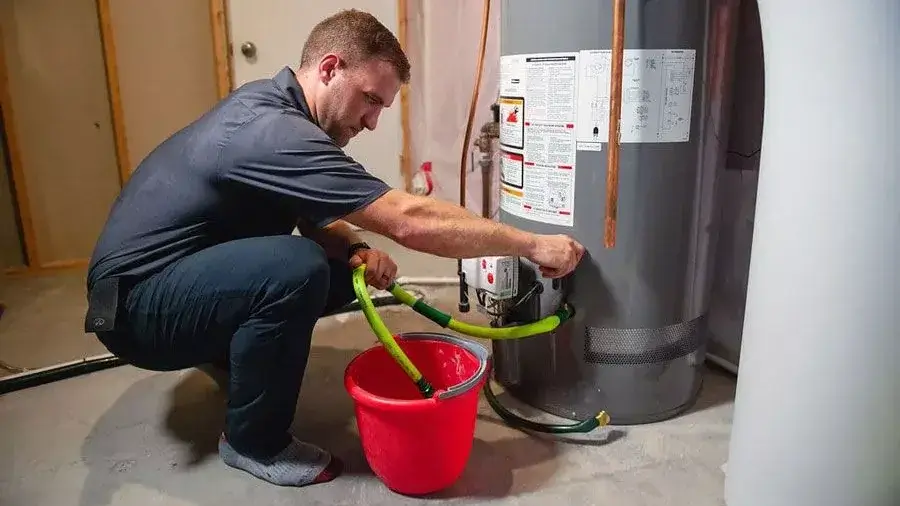

By learning How to flush your water heater, you can benefit from removing harmful sediment and increasing energy efficiency while expanding the lifetime duration of your water heater.
A Hot Water Heater is a vital part of any home, but it can also be a source of problems if it’s not maintained correctly.
Besides losing hot water efficiency, replacing a water heater can eventually cost between $900 and $1,200.
One of your most important home maintenance projects is keeping your water heater in good working order and remembering to flush it once a year.
Tools Required to Flush Water Heater
- Bucket
- Garden Hose (shorter the better)
- Rags
Critical Reasons to Flush a Hot Water Heater:
If it’s been a while, or you have never drained and flushed your water heater, you may be surprised by how much sediment is in there.
See photo of sediment drained from a water heater below:
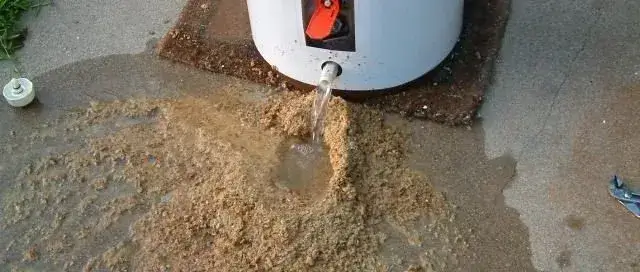
We recommend a 1-year cycle to maintain a low or sediment-free water heater for draining.
Signs that you may have excess sediment include popping or gurgling sounds, which are caused by bubbles escaping from heavy concentrations of sediment at the bottom of the water heater.
Gas water heater sediment can create hot spots that can damage your tank, and excess Electric water heater sediment will eventually lead to a damaged lower heat element.
How to Flush Your Water Heater:
See the 14 Steps Below on how to Flush a Water Heater—and don’t be Intimidated. These steps are relatively simple and quick, and flushing a water heater takes 30-45 minutes.
1. Turn OFF the Power to Your Water Heater.
Critical – Disconnect the electrical power by flipping a switch or knob on the water heater. If you’re unsure whether the power is disconnected, err on the side of safety.
Head to your electrical panel and turn off the breaker connected to the water heater.

2. Turn off the Cold Water Supply to your Water Heater.
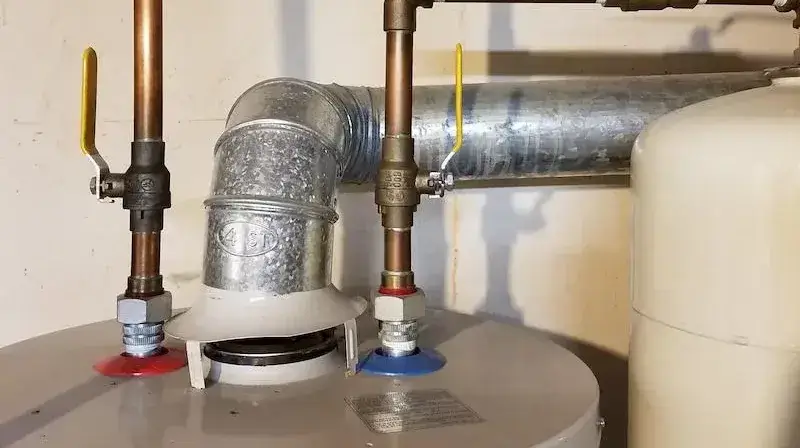
This is done by turning off the cold water supply valve (shown in blue).
3. Turn the Gas Valve OFF
If you have a Gas Water Heater, turn the Gas valve off, which is located just above the Water Heater.
4. Open a Hot Water Faucet in your Home.
Leaving a hot water faucet open on the upper level of your home is the first step to draining the hot water from the water heater.
5. Locate the “Drain Valve” on your Water Heater

The drain valve on any Hot Water Heater is located near the bottom of the water heater.
6. Connect a Garden Hose to the Drain Valve.
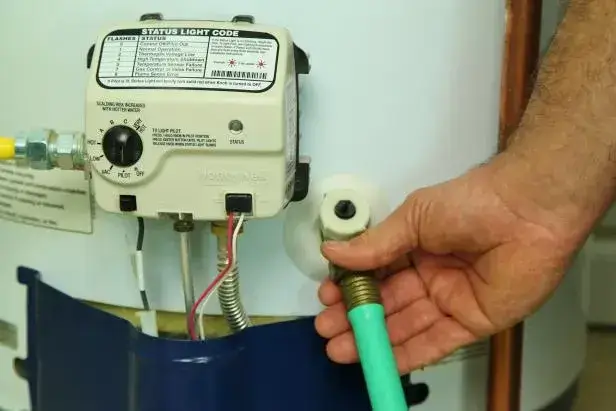
After connecting a short garden hose to the drain valve, place the other end directly above a nearby floor drain or into a 5-gallon bucket.
7. Open the Drain Valve
This will allow water from the heater to drain into the floor drain or a bucket.
8. Let the water drain by gravity until it Runs Clear.
It may take several to 30 minutes for the water heater to drain by gravity, as no pressure has been applied yet.
10. Turn on the Cold water supply to your Hot Water Heater.
Once the water appears to run clear, turn the Cold Water Supply on slowly and let it run until no more sediment collects.
Once the water is completely clear, use a shallow white bowl or dish to check for sediment.
9. Turn off Drain Valve.
Once the water has been drained and flushed completely, close the Drain Valve and disconnect the garden hose from the drain valve.
11. Turn ON the Electrical power to your water heater.
13. Close the “Open” Hot Water Faucet
Close the faucet that was previously opened inside the home.
14. Test your home’s hot water to ensure it’s working correctly.
If you are a Visual Learner (like me), watch this video that follows our Step-By-Step Instructions for flushing a Water Heater.
How To Maintain a Hot Water Heater
Here are some tips on how to maintain your water heater:
Flush the tank annually
As noted in the detailed information above, flushing a water heater will remove sediment that can build up over time and reduce efficiency.
To flush the tank, follow the instructions above – step-by-step
Check the Thermostat and Temperature Relief Valve Annually.
The thermostat should be set to 120 degrees Fahrenheit to prevent scalding. The temperature relief valve should be tested by lifting the lever. If water does not flow, the valve needs to be replaced.
Inspect the Anode Rod annually.
The anode rod protects the tank from corrosion. If it is corroded, it needs to be replaced.
Insulate the tank.
This will help to keep the water hot and save energy.
Clean the tank’s exterior regularly.
This will help to prevent rust and corrosion. Call a plumber if you notice any Rust problems.
Also, If your water heater is leaking, not heating water properly, or making strange noises, call a plumber to repair or replace it.
Annual Maintenance For a Water Heater:
We recommend flushing your water heater at least once a year, depending on its age and the water quality in your home.
Flushing your water heater is a simple task that can help extend your heater’s life and improve its performance.
Here are some Additional Tips for flushing your water heater:
* If you have a gas water heater, turn off the gas supply to the heater before you start flushing.
* If you have a sediment trap on your water heater, flush the trap before you flush the heater itself.
* If you have hard water, you may need to flush your water heater more often.
* Call a plumber if you are concerned about flushing your water heater.
These simple tips will keep your water heater free of sediment and in good working order for many years.
Frequently Asked Questions (FAQ)
What Happens During a Water Heater Flush?
Flushing a Water Heater is as simple as it sounds. The water and sediment from your water heater are drained through a garden hose attachment into a floor drain.
The water heater is then flushed with cold water to remove any remaining sediment. Once those two steps are completed, it is refilled with clean hot water.
How long does it take to flush a water heater?
Completing a water heater flush takes 30 – 60 minutes, depending on your DIY Skills and tank size.
How Much Do Plumbers Charge to Flush a Water Heater?
Plumbing service varies by region, but most plumbers start with a trip charge of $70-$90, including the first 30 minutes of labor, and charge $50-$70 every 15-30 minutes after that.
How Often Should You Flush a Water Heater?
If you have normal, treated city water, we recommend flushing the water heater once a year. However, if you have Hard water or water with a lot of minerals, you should flush it every six months.
Additional Reading and References:
- Can You Use Any Soap for the Dishwasher? – University of Wisconsin
- The 10 Best Gas Fireplace Inserts – Besthomegear.com
- Toilet Repair Made Easy – Besthomegear.com
- Dishwasher vs. Handwashing Dishes & Water Usage – Penn State University
- How To Wire a 3-Way Light Switch – Besthomegear.com