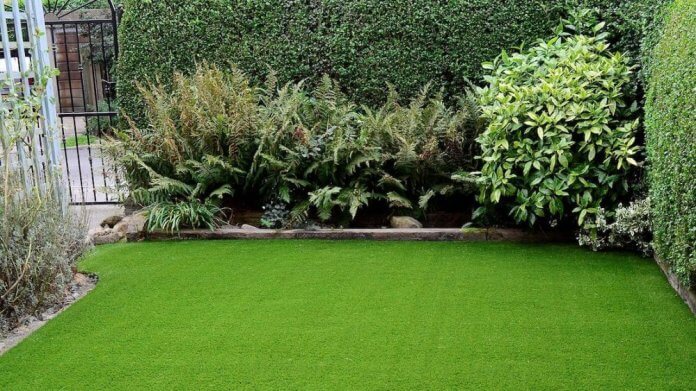

How do you install (DIY) artificial grass yourself? With the right base materials, a few common landscaping tools, and a clear step-by-step process, most homeowners can successfully install synthetic turf as a DIY project.
In this guide, we explain exactly how to install artificial grass yourself—from estimating AstroTurf cost and gathering the proper installation materials to preparing the ground and laying the turf correctly for a professional-looking result.
When we first searched for a reliable DIY artificial grass installation guide, we found surprisingly few clear resources that explained what professionals actually do when installing synthetic turf.
Many homeowners ask the same questions: How much does artificial grass cost? What materials are required? And is installing synthetic turf a realistic DIY project?
After completing our own artificial grass installation, we created this practical guide to share the process. Along the way, we discovered that many homeowners—and even experienced DIYers on community forums like Reddit—agree that installing artificial turf is a manageable project for most people.
The work can be a bit messy, and the turf rolls are heavy, but with a helper or two, the job is absolutely achievable.
Interest in DIY synthetic grass installation continues to grow as homeowners seek ways to reduce water use, lower lawn maintenance costs, and maintain a green yard year-round.
This shift is especially noticeable in regions such as the Southwestern United States, where drought and rising water prices make natural lawns increasingly expensive to maintain.
In the guide below, we’ll answer the most common questions homeowners ask and walk you through how to install artificial grass step-by-step, including tools, materials, costs, and expert tips to help you achieve professional results.
What is Artificial Grass?
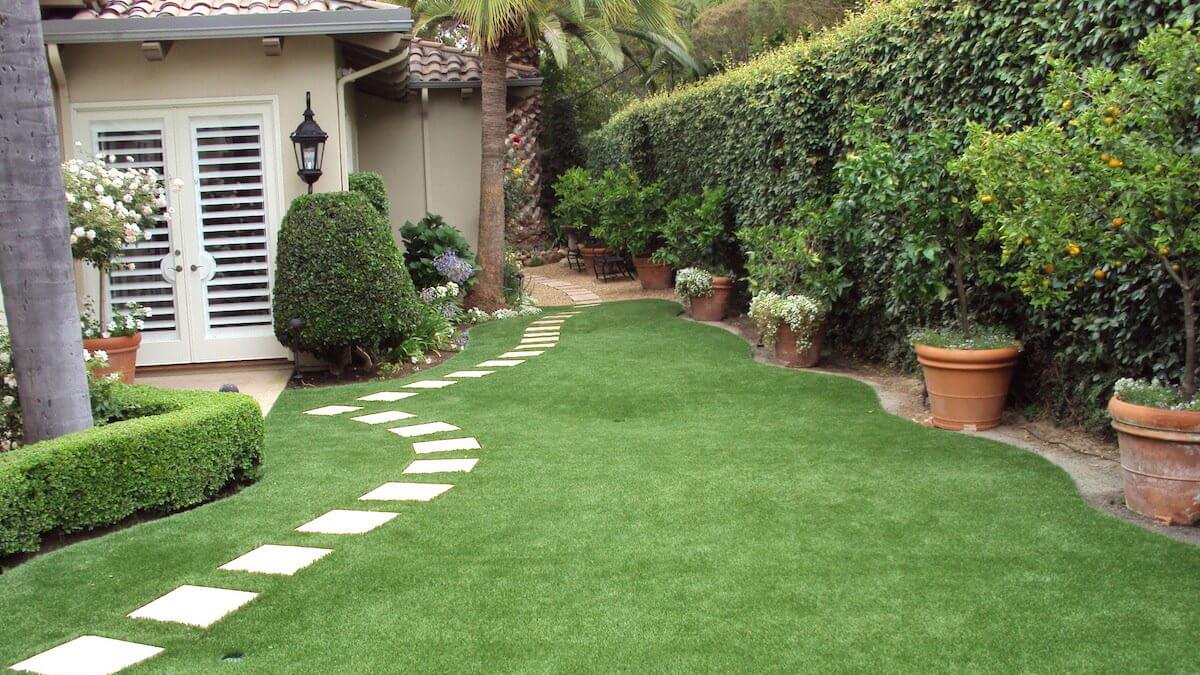
Artificial Grass (or Turf ) consists of excellent Grass blades woven into a carpet-like material. The grass blades are usually made of plastic filaments, typically from nylon or a synthetic polymer, and are applied to a heavy-duty, perforated rubber mat, much like carpeting.
How To Install Artificial Grass
Installing artificial grass first involves installing a subsurface drainage medium, such as sand or gravel, and then leveling it directly before installing the synthetic grass.
When water lands on fake grass, it passes through the filaments and matting, drains through the base medium, and into the ground soil. This process also prevents water or pet urine from pooling on the artificial turf.
If you’ve decided that an artificial lawn is a perfect choice for you, but the price seems a bit high, there’s an easy way to bring that cost down:
It’s called the Astro Turf DIY (Do it Yourself) Method, and here are the Seven Steps to install artificial grass:
Before you start, Watch This Video – “How to Install Synthetic Turf.”
Step 1: Order The Supplies for Artificial Turf Installation:
- First, measure and determine the total square footage of the Artificial Lawn you will install.
- Before installing your turf lawn base material, prepare all the materials for the complete installation. This will give you the fastest installation possible for you and your crew.
The materials you will need for this project are:
- Crushed Miscellaneous Base (CMB) or Decomposed Granite (DG) (2-3″ deep)
- Artificial Turf (sold online at SGW or Ewing Landscape Supply and at your local big-box home improvement store)
- Carpet Seam tape (for all joints)
- Adhesive and Large Caulk Gun
- Spray water bottle (to activate carpet tape adhesive)
- Hammer & Nails
- Tape measure
- Infill material
- Power broom or synthetic turf rake
Step 2: Install Base Layer
- Before installing your lawn, you need to determine the base layer (medium) you will use under the artificial turf.
- Typically, you’ll install 2-3 inches of “landscaping decomposed granite.”
- While there’s some debate about the best base (medium) for artificial grass, this delicate, chipped granite usually delivers the best drainage at a reasonable cost and is relatively easy to install.
- Be sure to compact and level the granite medium, as it must be level when installing the turf. Hint: Rent a dirt compactor. You don’t want any valleys, holes, or pits, so remove any stones.
Step 3: Sketch Layout Before You Cut Artificial Turf
- Before you begin, it’s a good idea to sketch out the layout of your turf. The project’s final design will depend on the width of the turf roll you are using. In other words, the size and shape of the area you plan to install.
- In this sense, laying artificial grass is like installing carpet flooring.
Step 4: Unroll the Artificial Grass
- Before installing the turf, roll it out flat onto a clean, dry surface. Once rolled out, the artificial turf must rest flat and warm up for six hours.
- It’s essential to keep the artificial turf flat since you want it to lie flat when it’s time to install it.
- A flat, clean driveway, especially with good sun exposure, works well for this purpose.
Step 5: “Seam” The Artificial Grass
- The next step in installing artificial turf is to lay out the cut pieces according to your plan and seam them together at the edges.
- Seaming is where the seam tape comes into play. Before starting this step, ensure that your seams are lined up as carefully as possible. This will help make the turf look more natural and wrinkle-free when finished.
- Roll out the seam tape to the required length to join the pieces and cut it into the appropriate sections.
- Then, roll back one side of the seam and place the seam tape underneath. Mark the tape with a pencil or marker where the line between the two pieces will be.
- Next, roll both sides of the turf away from the tape and apply your adhesive. Carefully lay the pieces of the turn down onto the tape, bringing them together at the mark you made so they fit correctly.
- Remember that the adhesive in seam tape requires a light misting of water to activate. You’ll need a spray bottle filled with water for this project.
Step 6: Fasten Artificial Grass In Place
- Laying artificial turf requires more than seam tape to hold it in place.
- You’ll use 6-inch nails around the perimeter of the artificial turf to fasten it to the medium underneath.
- Space the nails about 12 inches apart in low-traffic areas and 8 inches in places where you and your family will be walking regularly.
- Be sure to complete all of your final cuts and trimming before you nail the turf down, since you won’t be able to move it quickly after this step.
Step 7: Spread The “Infill Material”
- Your final step in installing artificial grass is to spread an infill material, which makes your synthetic lawn look more natural.
- Infill is a green-colored substrate material that helps the “blades” of your fake grass stand up like natural grass and applies pressure to the turf, helping it stay upright.
- Applying infill is the final step to give your fake lawn the look of natural grass.
- To apply infill, use a garden drop spreader or spread it by hand.
- Once the infill is distributed over the turf, spread it evenly to achieve the right look.
- The best tool for this is a power broom, but you can also use a regular hand broom or a synthetic turf rake.
- Be sure to spread the infill evenly. You want it to cover the entire turf rather than form thick piles.
Is Artificial Grass Worth It?
In our opinion, Artificial grass is worth the money for anyone who appreciates the four benefits we list below. Those who have never owned a property with Artificial Grass may not know exactly what it is or whether it’s worth the installation cost.
So, if you’re wondering how much it costs to install fake grass, or how difficult it is to install artificial turf yourself? Read on. Today, we’ll show you the benefits, average cost, and how to install artificial grass DIY so you can easily make that decision for yourself:
Five (5) Benefits of Installing Artificial Grass

1) Artificial Turf “Saves Water.”
While many people benefit from installing synthetic turf in their backyard, homeowners often choose it to reduce their water use and save money.
Additionally, if you live in a dry or desert climate, you may face restrictions on public water use, making it challenging to maintain natural grass.
For many reasons, artificial turf is especially prevalent in the Southwest United States, offering homeowners both economic relief and water conservation benefits.
According to Bob Villa, there are numerous reasons to install artificial grass, specifically for those with “Water Woes.”
2) Artificial Turf “Helps Save the Environment.”
Artificial grass uses less water and doesn’t require chemical fertilizers or pesticides. If you’re concerned about the environmental impact of your lawn, a synthetic alternative may be the right choice.
Synthetic grass typically has a lower environmental impact than natural grass, making it a suitable solution for eco-conscious homeowners.
3) Artificial Turf “Prevents Pet Damage to Lawns.”
Beyond environmental considerations, many homeowners also choose artificial lawns to prevent their dogs from damaging their yards.
As any dog owner knows, dog urine can easily damage natural grass. Fake grass for dogs is a great solution to prevent your family pet from ruining the lawn, especially if you live in a dry area where watering the lawn enough to counteract pet urine isn’t feasible.
4) Artificial Turf “Saves Time On Lawn Maintenance”:
Finally, artificial grass is an excellent option for anyone who doesn’t have the time or doesn’t appreciate lawn maintenance.
While we’re a bit obsessive about lawn care here at Best Home Gear, we understand some people would prefer a root canal to spending their weekend working on a lawn :)
If you fall into this category, installing a maintenance-free fake grass lawn will help you eliminate everything from fertilizing to watering, mowing, trimming, and blowing!
5) Artificial Turf Creates a “Cooler” Yard
Most desert-climate areas don’t use natural grass lawns but instead create “zero-scape” lawns that use crushed stone, gravel, and desert plants.
According to AZ Central, surface temperatures in places like Phoenix, Arizona, where I spend part of the year, can reach over 180 degrees Fahrenheit, with outdoor ground surfaces reaching 140 degrees.

With peak outdoor temperatures reaching 120 degrees Fahrenheit, the stone materials used in typical non-grass yards will absorb, retain, and build up heat all day.
While artificial grass is a hotter surface than natural grass lawns, it significantly reduces heat compared to crushed stone and gravel yards.
To provide a Cooler Yard, install Artificial Grass:
- Avoid stone materials in a yard that absorb and retain heat
- Shade the earth below the artificial grass.
- Allow retained heat to escape: The Artificial grass mat is made of a porous material.
Conclusion: Whether you’re using artificial grass for dogs, trying to reduce your environmental impact, or don’t like routine lawn maintenance, there are many reasons to consider switching to a synthetic lawn.
How Much Does Artificial Grass Cost?
Initially, it’s easy to get scared off by the cost of artificial grass. Fake grass can cost relatively high up-front, ranging from $5 to $15 per square foot.
The Good News—Typical Artificial Turf installations are location-specific (small backyards, seating areas, etc.) and usually consist of 100 – 1,000 square feet of installed lawn.
The amount you’ll pay, of course, will depend on the grade of turf material you choose, the drainage medium you select (granite vs. sand), the amount of labor it takes to install turf in your yard, and the overall price range for the area you happen to live in.
On average, you will pay about $7.00 per square foot to have a medium-grade artificial turf lawn professionally installed.
Artificial Grass Costs:
If you install DIY artificial turf, you buy the materials, but all labor costs are waived.
For Instance, the highly-rated Greenline Sapphire Fescue 50 Turf Grass from Home Depot is less than $2.50/SF for the Artificial Grass material.
Before you decide that artificial lawns are expensive, let’s also consider how they compare to owning and maintaining natural grass lawns.
On average, you can expect to pay about 25 to 50 cents per square foot for natural grass sod, which looks like a much better price option – on the surface.
The better consideration, however, is to look at the Lifetime Cost of each lawn type.
Natural Lawn Maintenance Cost:
After you lay down a natural (sod) lawn, you’ll still have to pay for herbicides, pesticides, fertilizers, and water, the cost and maintenance of a lawnmower, and extra grass seed for occasional reseeding.
Unlike installing fake grass with natural grass, these aren’t one-time expenses. Instead, they are costs you will expect to pay year after year.
Artificial Grass Saves Time & Money
Since a synthetic lawn can last up to 25 years before needing replacement, it usually pays for itself in seven years or less and lasts another 15 years after the break-even point is reached.
Artificial grass is significantly cheaper when you factor in the cost and time savings of not having to maintain a regular lawn.
Before you ask “how much astroturf lawns cost,” consider how much you spend to maintain your lawn each year.
Once you crunch the numbers, you may be surprised by the annual costs of maintaining a natural grass lawn – and how much pressure it takes off home improvement chores. Let’s take a look at the numbers below:
Artificial Grass vs. Natural Grass: Maintenance Cost Difference
- Artificial grass requires a substantial initial investment for most homeowners, with prices ranging from $5 to $15 per square foot installed. The average cost is $7.00 per square foot. However, once artificial grass is installed, it is free to own for up to 25 years.
- Natural Grass costs about .30 cents per square foot, but that’s only the beginning. The maintenance cost of an existing grass lawn requires Water, trimming, mowing, blowing, and seasonal fertilizing to keep it lush and weed-free.
- Your Time: Place and value on your labor. The time you spend each year on lawn maintenance can reach 100 hours per season, which is significant.
1,000 Square Foot Lawn – Cost Comparison Example:
For comparison, let’s look at the example of installing and maintaining a 1,000-square-foot “Artificial Turf lawn vs. Natural Grass” Lawn:
- Natural Grass (Sod not Grass seed) @ $.40 cents/SF = $400
- Artificial Turf (Complete Installation) – National Avg. @ $7/SF = $7,000
Maintenance Cost (Annual)
Natural Grass Lawn Maintenance:
-
- Lawn Contract – $120/month x 6 months = $720*
- Seasonal Fertilizer (4 times/annually) – (by homeowner) = $150
- Watering ($20/month avg. 1200 gal.) x 6 months = $120**
- Natural Grass Maintenance – Annual Cost = $990.00
* Professional Lawn Contract average. You could also calculate the lawn maintenance cost, including mower equipment, maintenance, and replacement, fuel, etc., to perform the work yourself.
**The Water Estimate does not include the cost of irrigation system maintenance or repairs. **
Artificial Grass Lawn Maintenance:
- Occasional spot watering = $20.00
- Artificial Turf Deodorizer Treatment (For pet owners) = $30.00
Summary: Investment and Maintenance Cost Difference:
Investment Cost:
The break-even cost of installing Artificial Grass (Initial Investment) vs. Natural Sod is approximately seven (7) years.
Maintenance Cost: (over 20 years)
Artificial Grass vs. Natural Grass: After the Initial 7-year investment (Years 8 through 20), you save approximately $900/year (or $11,700 over the next 12 years).
As we said, it takes roughly seven (7) years or less to break even on the Artificial Grass installation cost. So, if you plan to stay in your home for seven years or more, the initial investment may be worth it just on cost alone.
However, If you plan on staying longer or your home market considers the investment in artificial grass an improvement and selling point for future buyers, it is worth considering.
Other Considerations:
- Installing Artificial Turf yourself (DIY) without hiring a professional will significantly reduce the initial investment below the figures noted above. And there are no weeds to remove.
- On average, homeowners save 16 hours a month, or 96 hours a season, on lawn maintenance labor compared to a typical six-month season.
- Sixteen hours a month to do “other things” is Priceless.
- You save money by using Grass Seed vs. Sod, but the germination period is 20-30 days for grass seed.
- Artificial grass can be installed in 2 to 3 days.
Following these seven steps will allow you to install artificial grass yourself – and in the process, save considerable money on labor costs.
It’s good to remember that every yard is different, so you’ll need to adapt this process to fit your specific situation and property configuration.
Frequently Asked Questions:
Q: How Much Does It Cost To Have Artificial Grass Installed Professionally?
A: On average, professional synthetic turf installation (labor only) will run between $2.00 and $3.00 per square foot. Costs will vary in your area; the above labor average is for turf material only.
Hiring labor to install the medium-gravel base before installing the turf could cost an additional $1 to $2 per square foot.
Q: How Do You Prep the Ground for Artificial Grass?
A: The steps we recommend for the ground preparation of installing artificial grass include the following:
First, remove grass or weeds, level the ground, and add a decomposed fine-granite substrate (base material).
Once the ground has been prepared, you can install the artificial turf and apply a layer of infill to make it look more natural and weigh it down.
Q: Is Artificial Grass for Dogs a Good Idea?
A: As mentioned earlier, one of the primary reasons many homeowners install astroturf is to keep their lawns from being ruined by dog urine.
This is especially important when you can’t water frequently enough to prevent damage.
The necessary steps described above will allow you to lay down artificial grass that your dog won’t be able to damage.
However, if you install fake grass for pets, it’s best to buy pet-friendly synthetic turf. These products are designed to improve drainage and withstand a dog’s wear and tear on the turf.
Q: How Do You Clean Dog Urine On Artificial Grass?
A: Pet urine is naturally drained through the perforated holes in artificial grass and evacuated through the coarse ground layer below.
If you don’t get regular rain showers, watering the pet area turf with a garden hose or sprinkler is usually enough to keep it clean.
In addition to selecting the correct blend of Artificial Grass for dogs, pet urine can leave odors if not attended to regularly.
For this reason, always have a dog urine deodorizer on hand for artificial turfs, Such as this one from Simple Green at Amazon, which is applied with a garden hose attachment sprayer.
Q: Can You Install Artificial Grass on Concrete?
A: The steps listed above for DIY artificial grass installation assume you’re installing the grass over dirt.
However, if you’re installing artificial grass on top of concrete, there are extra steps you’ll have to complete before you can start the installation:
Follow These (2) Steps To Install Artificial Grass Over Concrete:
- Step 1: First, check the drainage. You should be okay if your concrete surface drains well, since it’s sloped. However, if water pools on the concrete slab, you must drill some small 1/4″ drainage holes to keep water from pooling underneath the artificial grass.
- Space the 1/4″ holes in the concrete randomly, specifically in the low area where water is “pooling.”
- Step 2: For safety, install a waterproof foam underlayment beneath your turf. It’s easy to find, as most flooring contractors use a similar material under wood flooring installations.
- A foam layer will help cushion against falls and may reduce the likelihood of injury if a fall occurs on artificial grass or concrete.
Conclusion:
We hope this article has helped you learn how to install artificial grass in your yard.
DIY artificial grass is a great home improvement project for people looking to reduce their environmental impact, make their yard more pet-friendly, or reduce the time and effort required to maintain their lawns.
While synthetic grass isn’t for everyone, we think it’s an excellent long-term economical option worth considering.
Installing Artificial Turf is a relatively simple process that requires little know-how, a few essential pieces of equipment, and extra hands!
Thanks for Visiting Best Home Gear; please comment below, and don’t forget to check out our other How-To Guides!
Additional Reading and References:
- How To Clean an Artificial Lawn from Installitdirect.com
- Pros and Cons of Artificial Grass Vs. “Live Grass” – Gardenista.com
- Required Maintenance Artificial Grass – SyntheticGrassWarehouse.com
- The Pros and Cons of Artificial Grass – University of California